We care about the people
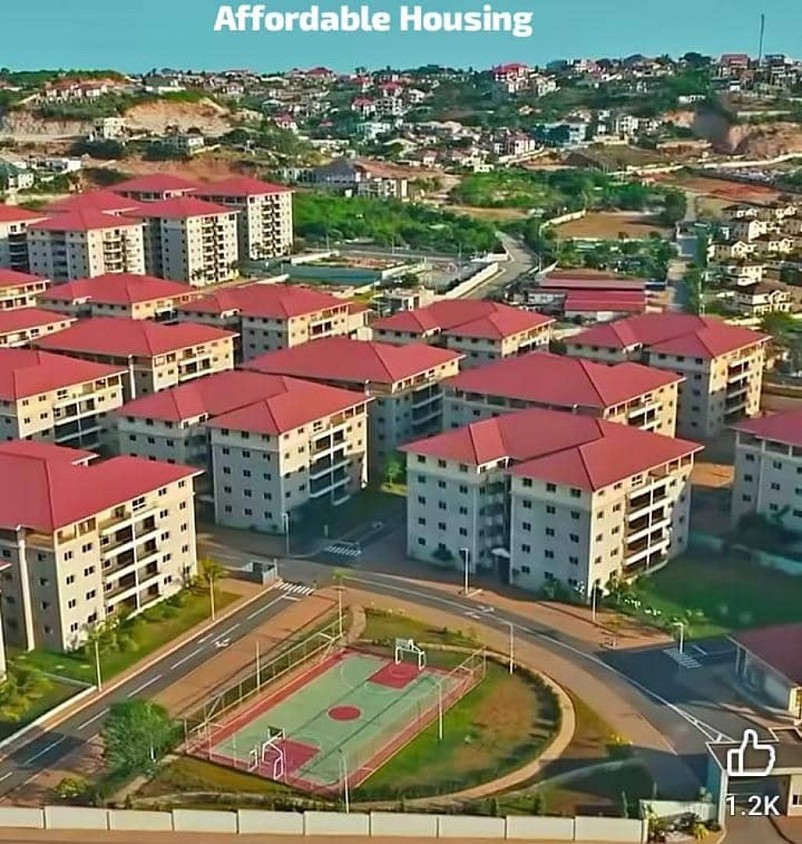
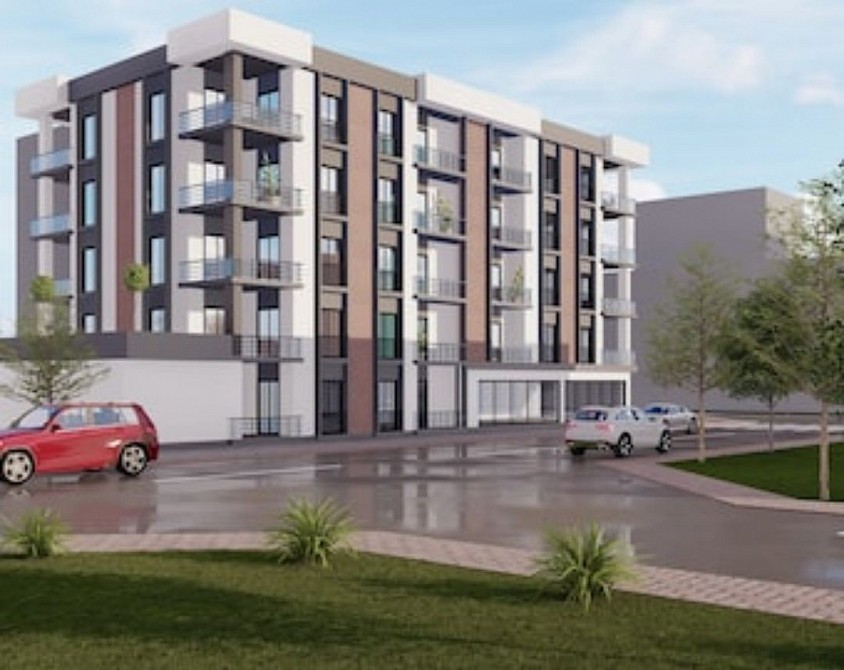
Affordable Housing Development
Charitable Trust
The Ministry is a Charitable Trust, a Non-Profit organization dedicated to support humanitarian projects globally.
Our core functions.
Capital Fundraising: Collects donations, grants, and corporate sponsorships to finance construction.
Land Acquisition: Secures legal plots designated for community or social welfare housing.
Construction & Renovation: Builds low-income sustainable units or emergency night shelters.
Social Support Integration: Pairs housing with job training, counseling, and medical aid.
Our Focus: To provide affordable housing projects and to build homeless shelters nationwide for the homeless people.
King of Kings Ministry registered in Washington D.C.
- Employer Identification Number.
- [EIN]: 93 - 6694996.
- UBI Number: 605311617.
- ☆☆☆☆☆☆☆☆☆☆☆☆☆☆☆☆☆☆☆
- OUR MINISTRY
-
- Core focus: The main identity or goal of the group is to run global humanitarian projects.
- Scope: Nationwide, to build affordable housing projects, homeless shelters, vocational training centers, schools, hospitals, agricultural projects, civil engineering works. (What the organization is called to do as a whole).
-
- King of Kings Humanitarian projects function as critical interventions designed to save lives, alleviate human suffering, and maintain human dignity during and after man-made crises or natural disasters.
- Operating on fundamental principles like humanity and impartiality, these projects fill gaps where local governance lacks the resources or capacity to respond adequately.
- ☆☆☆
- The primary roles of King of Kings humanitarian projects.
- Immediate Provision of Homeless Shelters: Renovation of old hotels and motels. Long-term Housing for the homeless people under the Low-cost Housing Development Plan.
- Food Security & Nutrition: Distributing emergency food rations, establishing community kitchens, and implementing therapeutic feeding programs to combat acute malnutrition.
- Emergency Shelter & Supplies: Distributing life-saving survival items like tents, blankets, hygiene kits, mosquito nets, and basic cooking utensils.
- Water, Sanitation, and Hygiene (WASH): Providing clean drinking water through emergency water trucking, building latrines, and promoting hygienic practices to prevent disease outbreaks. Healthcare and Psychological Support.
- Medical Interventions: Deploying mobile health clinics, providing critical drugs to understaffed clinics, and managing mass vaccination campaigns.
- Mental Health & Trauma Counselling: Setting up psychosocial support frameworks tailored specifically for vulnerable populations, including displaced refugees and children affected by trauma. Protection of Vulnerable Populations.
- Safety Safeguards: Creating secure spaces within refugee and internally displaced person (IDP) camps, managing camp coordination, and ensuring secure evacuation routes from active conflict zones.
- Rights and Demographics Focused Protection: Safeguarding minority groups, stateless populations, and ensuring specific protections against gender-based violence (GBV). Community Empowerment and Capacity Building.
- Local Staff Training: Conducting intensive training workshops and operational coaching for local authorities and frontline healthcare staff to boost local operational capacity.
- Development of Digital Tools: Creating data collection tools and tracking systems to enable better data analysis and localized crisis responses. Systemic Advocacy and Peace Building.
- Voice and Representation: Running awareness-raising campaigns, gathering localized data to influence public policy, and keeping external actors accountable.
- Conflict Resolution Frameworks: Facilitating localized mediation programs, funding civil human rights groups, and supporting initiatives like independent local journalism.
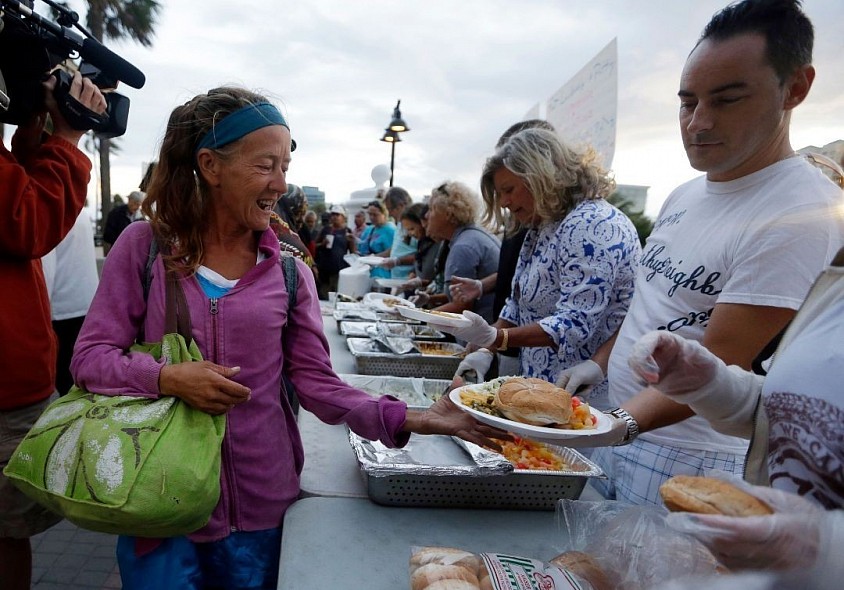
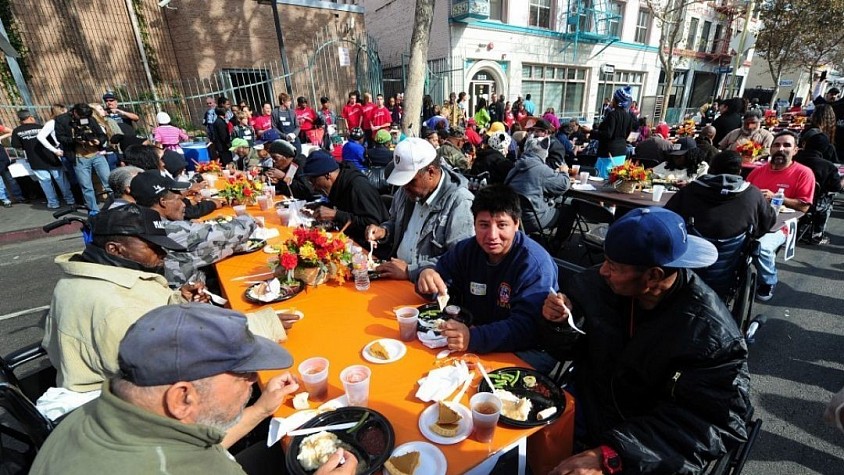
Food for the homeless people
Providing food for homeless individuals requires a strategic approach to ensure the meals are safe, accessible, and impactful. Cafeterias will be provided.
Charity
We are a non-profit organization
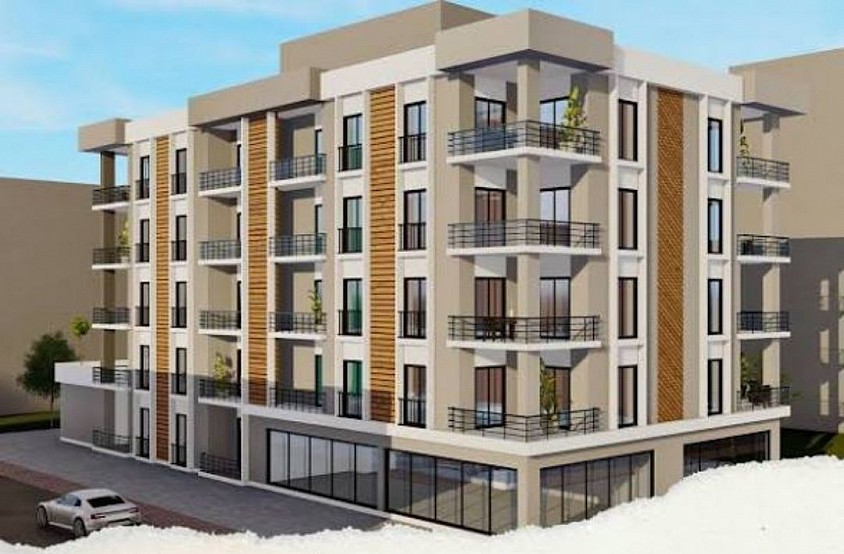
Affordable building plan

Republic of Ghana
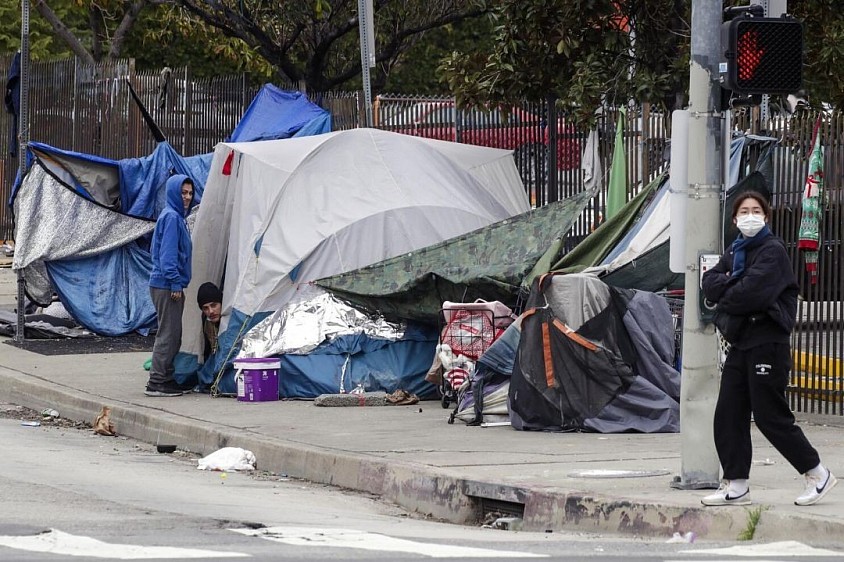
Los Angeles California
Washington D.C